How & Where to Spot the African Elephant, Lion, Rhinoceros, Leopard & African Buffalo on Safari

What Does “Big Five” Really Mean?
Origins of the Big Five Term
If you’ve ever dreamed about going on safari, chances are you’ve heard the phrase “Big Five.” But here’s the twist—this term wasn’t originally coined for tourism at all. Instead, it came from early African big-game hunters who used it to describe the five most difficult and dangerous animals to hunt on foot: the African elephant, lion, rhinoceros, leopard, and African buffalo. Over time, conservationists and tourism boards flipped the narrative, turning these once-hunted species into icons of wildlife appreciation rather than trophies.
Today, spotting the Big Five is considered a bucket-list achievement for travelers heading to Africa. Modern safaris focus on observation, photography, and conservation awareness rather than hunting. In fact, wildlife tourism now plays a major role in conservation funding across East and Southern Africa, helping preserve ecosystems and protect endangered species like rhinos from poaching. So when you hear someone talking about ticking off the Big Five, think of it as wildlife bingo—with binoculars, not rifles.
Why These Five Animals Became Iconic
These animals aren’t just popular—they’re unforgettable. Each member of the Big Five brings something unique to the table. Elephants impress with their intelligence and family bonds, lions command attention with their social behavior, rhinos evoke awe with their prehistoric appearance, leopards mesmerize with stealth, and buffalo surprise many with their unpredictable temperament.
Their iconic status also comes from their ecological importance. Together, they represent different habitats across Africa—from dense bushveld and open savannah to riverine forests and wetlands. Travelers often find themselves drawn to the diversity of experiences each species offers. One minute, you’re watching elephants drink at a waterhole; the next, you’re tracking lion footprints across dusty terrain. That’s the magic of a Big Five safari—it feels unpredictable, thrilling, and deeply immersive all at once.
Understanding the African Safari Experience
How Game Drives Work
A safari isn’t like visiting a zoo; there are no guarantees. Game drives typically happen early in the morning and late in the afternoon when animals are most active. Guides rely on tracking skills, radio communication, and experience rather than fixed routes. According to safari data, visitors have over an 85% chance of seeing at least one Big Five animal on a typical safari day, though spotting all five in one day remains rare—less than 1% probability.
Most safaris use open 4×4 vehicles, allowing panoramic views and close encounters while maintaining safety. You’ll quickly learn that patience is part of the adventure. Some drives are action-packed with sightings every few minutes, while others feel slow and quiet until suddenly—bam—a leopard appears out of nowhere. That unpredictability is exactly what makes safaris addictive.
Factors That Affect Sightings
Several variables influence what you’ll see on safari. Seasonality plays a huge role, as animals congregate near water sources during dry months. Habitat differences matter too; open plains make spotting lions easier, while dense bushveld often hides leopards. Then there’s luck—and yes, your guide matters immensely. Experienced trackers can interpret subtle clues like alarm calls from birds or fresh footprints, dramatically improving your chances of sightings.
Understanding these dynamics helps set realistic expectations. A Big Five safari isn’t just about ticking boxes; it’s about immersing yourself in ecosystems and appreciating every moment—whether it’s watching giraffes graze or hearing hyenas laugh in the distance.
Where to Spot the Big Five in Africa
Best Countries for Big Five Safaris
The strongest Big Five experiences are concentrated in East and Southern Africa, particularly countries like Kenya, Tanzania, South Africa, Botswana, Namibia, Zimbabwe, and Malawi. These regions host vast conservation areas and wildlife corridors that support healthy populations of large mammals.
Tanzania and Kenya are especially popular among first-time safari-goers because of their dramatic landscapes and high predator densities. South Africa offers excellent infrastructure and self-drive options, making it accessible for families. Botswana, meanwhile, appeals to seasoned travelers seeking remote, uncrowded wilderness experiences.
Top National Parks and Reserves
Serengeti, Maasai Mara & Ngorongoro
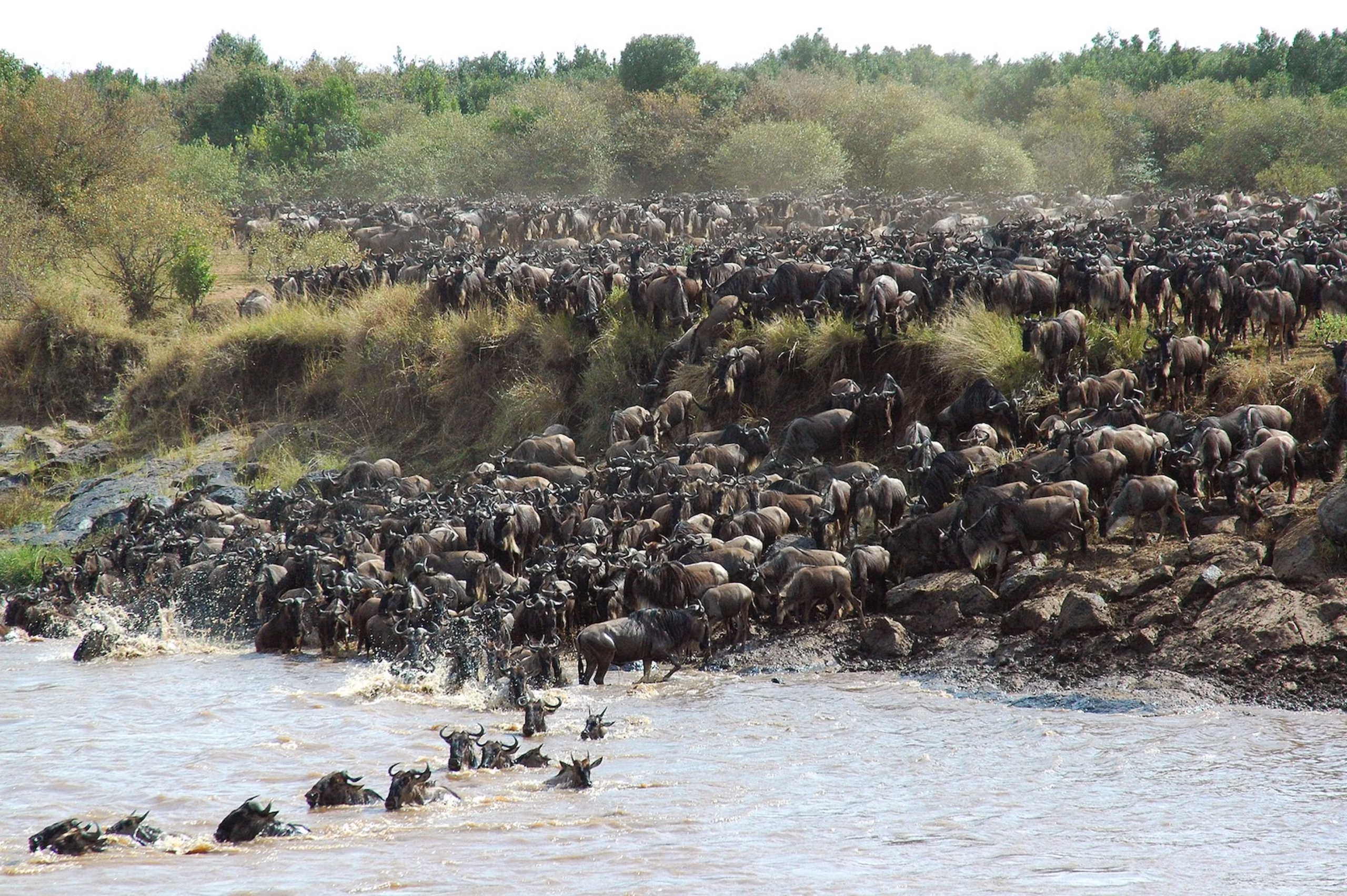
Few places rival the Serengeti National Park in Tanzania for Big Five viewing. The park spans over 14,000 square kilometers and hosts more than 3,000 lions, alongside elephants and buffalo scattered across vast plains. Neighboring Kenya’s Maasai Mara shares the same ecosystem and delivers exceptional sightings during the Great Migration, when predators become highly active.
The Ngorongoro Crater, often called the “Eighth Wonder of the World,” offers one of the most reliable chances to see all five species within a compact ecosystem. Its natural enclosure creates near-perfect viewing conditions for both photographers and wildlife enthusiasts.
Kruger, Chobe & Etosha
South Africa’s Kruger National Park is frequently recommended for beginners thanks to its well-developed roads and consistent sightings. Botswana’s Chobe National Park stands out for its enormous elephant population—estimated at over 120,000 in the wider ecosystem. Namibia’s Etosha National Park offers a unique desert-style safari, where animals gather at waterholes, making sightings easier, especially during dry seasons.
African Elephant – The Gentle Giant
Behavior and Habitat
Watching an African elephant in the wild is like witnessing nature’s quiet strength unfold. These massive herbivores are highly social and travel in matriarch-led family groups, displaying emotional intelligence and complex communication patterns. Their habitats range widely—from woodlands and savannahs to deserts and wetlands—which is why they’re often one of the easiest Big Five animals to spot.
Elephants spend most of their day feeding and drinking, consuming hundreds of kilograms of vegetation daily. On safari, you’ll often find them near rivers or waterholes, especially during hotter months. Observing their gentle interactions—like calves playing under their mothers’ bellies—adds an emotional layer to any wildlife experience.
Best Places and Times to Spot Elephants
Botswana’s Chobe region is legendary for elephant sightings, especially during dry seasons when herds congregate along the Chobe River. Tanzania’s Tarangire and Serengeti also host large populations, while South Africa’s Addo Elephant National Park offers close encounters year-round.
Timing matters too. Early morning drives often reveal elephants moving between feeding grounds, while late afternoons offer dramatic silhouettes against golden savannah sunsets. If you’re chasing iconic photography moments, this is when elephants truly shine.
African Lion – The King of the Savannah
Social Structure and Hunting Patterns
Lions are unique among big cats for their social structure, living in prides composed of related females, cubs, and a coalition of males. This teamwork allows them to hunt large prey like buffalo and wildebeest, creating some of the most thrilling wildlife spectacles on earth.
On safari, lions are often seen lounging during the day, conserving energy for nighttime hunts. Their roars—audible up to eight kilometers away—are unforgettable reminders of their dominance. Observing a pride interact offers fascinating insight into family dynamics and survival strategies.
Where Lions Are Most Frequently Seen
The Serengeti ecosystem is famous for its lion density, making sightings relatively common across open plains. Kenya’s Maasai Mara also provides excellent opportunities, especially during migration seasons when prey is abundant.
For photographers and wildlife lovers alike, seeing lions in action—whether hunting, resting, or playing—is often the highlight of any safari.
Rhinoceros – The Rare Giant
Black vs White Rhino
Rhinos are arguably the most elusive of the Big Five, largely due to conservation challenges and anti-poaching protections. The white rhino is generally larger with a square lip suited for grazing, while the black rhino has a hooked lip adapted for browsing shrubs.
Spotting either species feels special because of their rarity. Seeing one silhouetted against an African sunset can feel almost surreal, like stepping back into prehistoric times.
Best Parks for Rhino Sightings
The Ngorongoro Crater is among the most reliable locations for black rhino sightings. Namibia’s Etosha also offers memorable nighttime encounters around floodlit waterholes. South African reserves like Hluhluwe-iMfolozi and private conservancies further boost your chances.
Leopard – Africa’s Elusive Phantom
Behavior and Spotting Challenges
Leopards are solitary, stealthy, and notoriously difficult to find. Unlike lions, they avoid crowds and often remain hidden in dense vegetation or perched high in trees. Their nocturnal tendencies add another layer of difficulty, meaning sightings often happen unexpectedly and briefly.
Yet this mystery is exactly what makes them captivating. When you do see a leopard—perhaps draped elegantly across a branch—you’ll understand why seasoned safari-goers consider them the ultimate prize.
Where Leopards Are Most Likely Seen
Serengeti’s rocky outcrops (kopjes) and South Africa’s private reserves bordering Kruger are known hotspots for leopard sightings. Guides often track them by following alarm calls from monkeys and birds, which signal a predator’s presence.
African Buffalo – The Underrated Heavyweight
Herd Dynamics
Buffalo might not have the glamour of lions or elephants, but they’re arguably the most dangerous member of the Big Five. Known for their unpredictable temperament, these animals travel in large herds and rely on collective defense strategies against predators.
Watching a herd move across the plains feels like witnessing a slow-moving storm. Dust rises, hooves thunder, and the sheer scale of numbers becomes overwhelming.
Where to Spot Buffalo Herds
Buffalo are widespread across Africa’s savannah regions and are commonly seen in Serengeti and Maasai Mara ecosystems. Botswana and Uganda’s parks also host massive seasonal herds, especially near water sources.
Best Time of Year for a Big Five Safari
The dry season (May to September) is widely considered the best time for wildlife viewing because animals gather around waterholes and vegetation is sparse, improving visibility. Migration periods in East Africa also bring dramatic predator-prey interactions, enhancing overall safari experiences.
That said, green seasons offer fewer crowds, lush scenery, and excellent birdwatching opportunities. Choosing the right timing depends on your priorities—photography, solitude, or dramatic wildlife action.
Tips to Maximize Your Big Five Sightings
Maximizing sightings requires strategy, patience, and a little luck. Stay longer in one park rather than hopping between destinations, travel during peak wildlife seasons, and choose experienced guides who understand animal behavior. Combining regions—like Serengeti with Ngorongoro—can significantly improve your chances of completing your Big Five checklist.
Also, keep your expectations flexible. Some of the most memorable safari moments aren’t about ticking boxes but soaking in the environment—the sounds, smells, and stories unfolding around you.
Conclusion
A Big Five safari is more than just a wildlife-watching trip—it’s an emotional, sensory journey into some of the world’s most extraordinary ecosystems. Whether you’re marveling at elephants bathing in muddy rivers, listening to lions roar across endless plains, or holding your breath as a leopard steps silently through tall grass, every encounter feels unforgettable.
Planning your safari with the right timing, destinations, and expectations transforms the experience from a checklist into a story you’ll carry for life. And when you finally complete your own Big Five bingo? You’ll probably start dreaming about going back.