The Epic Journey: Understanding the Great Migration — When to Go and What to Expect
Introduction to the Great Migration
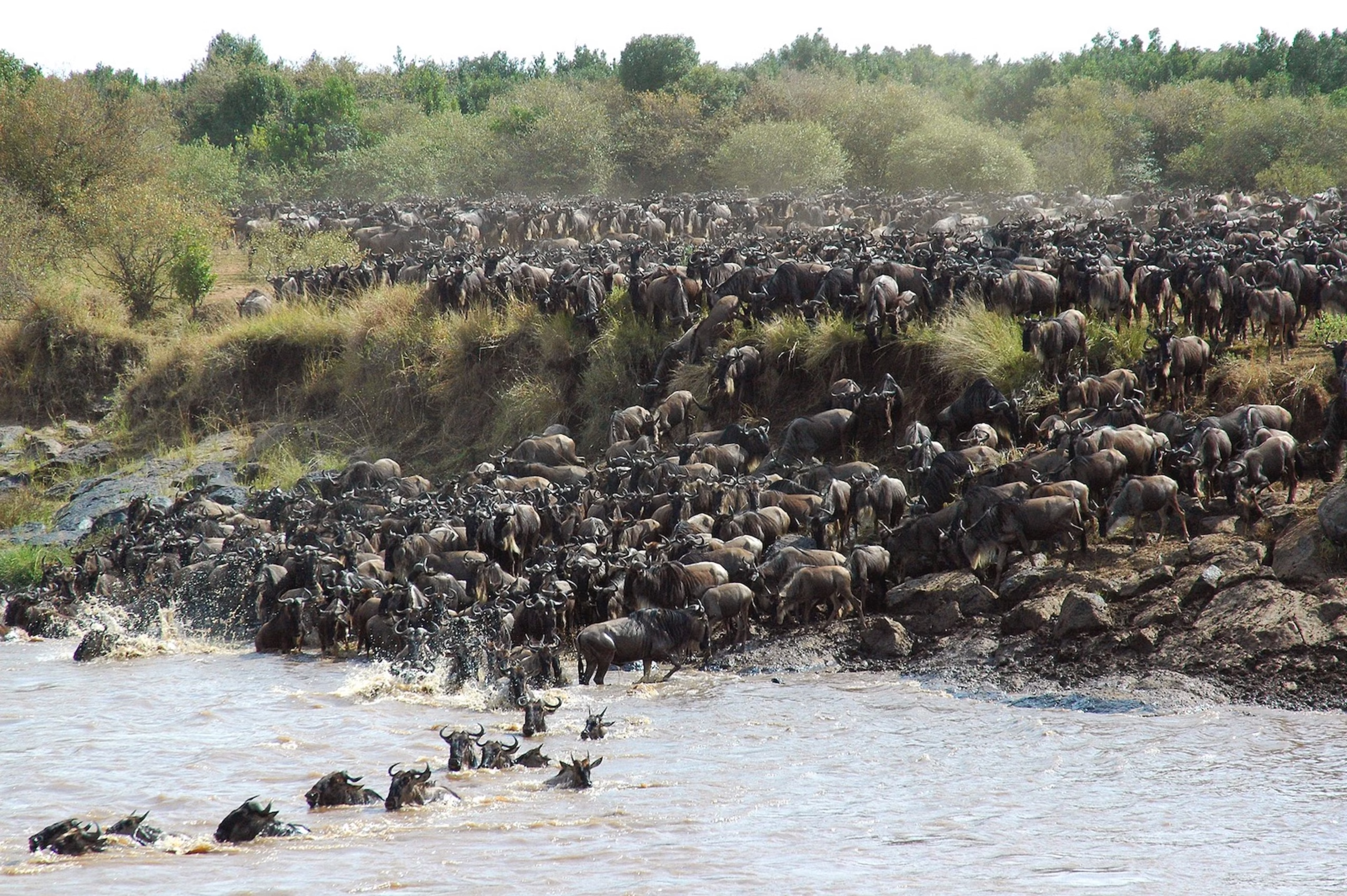
The Great Migration isn’t just a wildlife event — it’s Earth’s largest and most dramatic movement of land mammals. Every year, over 1.5 million wildebeests, accompanied by zebras and gazelles, journey across the Serengeti–Mara ecosystem in search of fresh grazing lands. It’s nature’s theater, showcasing survival, strategy, and spectacle.
What Makes the Great Migration So Extraordinary?
It’s the sheer scale that blows your mind. Imagine endless herds stretching across the plains, moving rhythmically to the pulse of rainfall patterns. The migration isn’t a straight-line journey; it’s a rotating loop driven by instinct, survival, and the need for nutrient-rich grasses.
The Role of Nature in this Annual Movement
Rain dictates everything. The herds follow the storms, moving where the grass sprouts. This creates unpredictable yet fascinating patterns, making each year’s journey unique.
The Wildlife Involved in the Great Migration
The Mighty Wildebeest Herds
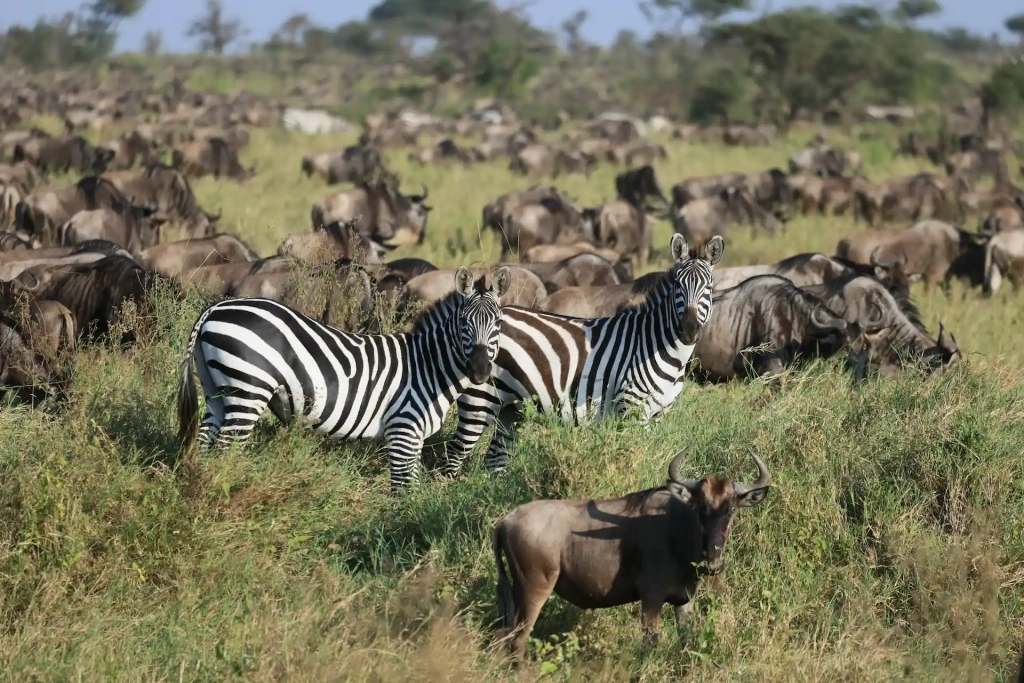
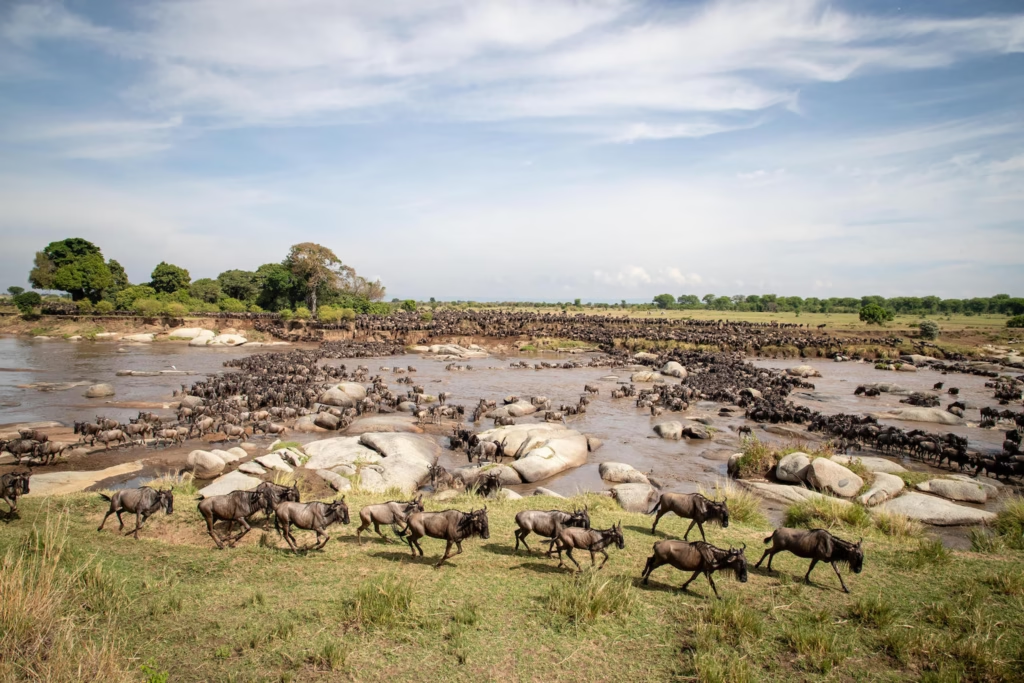
Wildebeests are the stars of the show. Their synchronized movement and determination fuel the migration’s flow, creating one of the most breathtaking wildlife spectacles on Earth.
Zebras and Gazelles – The Journey Companions
Zebras often lead the way with their incredible memory and ability to sense water sources. Gazelles add speed and agility to the mix. Together, these species create a dynamic and balanced ecosystem on the move.
Predators of the Serengeti: Lions, Crocodiles, and Hyenas
Migration season is a feast for predators. Lions wait in the tall grass, hyenas trail behind the herds, and crocodiles lurk silently in rivers — especially during the famous Mara River crossings.
The Migration Cycle Throughout the Year
January–March: Calving Season
The journey starts in the southern Serengeti, where hundreds of thousands of calves are born within just a few weeks. It’s a time of abundance — and danger — as predators circle for opportunities.
April–June: Long Treks and Stormy Weather
As rains shift north, the herds follow. This period is known for dramatic thunderstorms, lush landscapes, and energetic movement across the plains.
July–August: The Dramatic River Crossings
This is the heart-pounding moment many dream of witnessing. The Mara River crossings test every animal’s endurance. Crocodiles await beneath the surface, and steep riverbanks challenge the strongest of the herd.
September–October: Renewal and Regrouping
Once across the river, the herds spread across the Maasai Mara’s rich grasslands. This is a calmer yet equally beautiful phase, ideal for peaceful wildlife viewing.
November–December: Returning to the South
As rains return to the Serengeti, the cycle repeats. The journey back south begins, closing the loop for yet another migration season.
Best Time to Witness the Great Migration
Peak Months for River Crossings
If you’re dreaming of seeing river crossings, July to September is your golden window. These months offer the highest chances of witnessing dramatic action along the Mara River.
Best Time for Photographers
Photographers love January–March for calving season and July–October for dramatic lighting, predator activity, and herd density.
Low-Season Viewing Benefits
Traveling in between January to June? Expect fewer crowds, greener landscapes, and often more affordable safari packages.
Popular Locations for Experiencing the Migration
Serengeti National Park, Tanzania
Why Serengeti is the Heart of the Migration
Covering vast plains and woodlands, the Serengeti provides the perfect stage for the migration. It’s the starting point and home to the largest part of the annual journey.
Key Viewing Regions Inside the Park
- Southern Serengeti (Calving Season)
- Western Corridor (Grumeti River Crossings)
- Northern Serengeti (Path to Maasai Mara)
Maasai Mara National Reserve, Kenya
The Mara River Experience
The Mara River crossings are among the most intense scenes of the migration — where courage meets chaos.
Best Camps and Lodges for Migration Views
Luxury lodges and mobile camps offer front-row seats to the action, giving guests uninterrupted wildlife scenes right from their tents.
What to Expect During Your Migration Safari
Types of Safari Vehicles and Tours
From open-roof jeeps to fly-in luxury safaris, there’s a style to match every traveler. Guided tours ensure you’re always at the right place at the right time.
Weather Conditions and Terrain
Expect unpredictable weather — sunny mornings, sudden rains, and cool nights. The terrain varies from dusty plains to muddy tracks depending on the season.
Safety Tips for Travelers
Stay in your vehicle, follow guide instructions, and keep a respectful distance from wildlife. Nature rewards caution and awareness.
How to Prepare for a Great Migration Trip
Packing List Essentials
- Light breathable clothing
- Binoculars
- Camera with zoom lens
- Sun protection
- Sturdy shoes
Choosing the Right Safari Operator
Pick experienced operators who know migration patterns well — it can make or break your experience.
Budget Planning and Costs
Safari costs vary widely, from budget camping to ultra-luxury lodges. Consider park fees, travel costs, and seasonal price changes.
Responsible Tourism and Conservation
Protecting Wildlife Habitats
The Great Migration is a fragile treasure. Responsible tourism ensures this natural wonder continues for generations.
Eco-Friendly Safari Choices
Choosing eco-lodges, minimizing waste, and respecting wildlife all contribute to conservation efforts.
Conclusion
The Great Migration is more than a safari — it’s a life-changing experience. Understanding when to go and what to expect helps you witness this extraordinary event at its best. Whether you’re dreaming of the dramatic river crossings or the peaceful calving season, planning ahead ensures you catch nature’s most epic show in the perfect moment.